Analog Photo Projects Before the Computer Age
For a long time when people would ask me how and why I started making photo collages, I found myself spinning elaborate stories of my ‘dissatisfaction with the static nature of the single image’ and ‘a desire to express a feeling of time and motion, and not simply capturing an instant in time’. This was usually during interviews conducted by magazine editors who needed space-filling words. I could spew with the best of them but in hindsight I believe I was simply signaling my youthful attitude toward the ‘decisive moment’ crowd and the likes of straight, formal photographers such as Ansel Adams, etc. I ran with a snarky art-punk crowd, and I was insufferable. The fact is, right from the outset I was simply using various camera techniques as tools to make artful images, pushing limits of long exposure, motion blur, multi flash, multi exposure, drag shutter etc. and those techniques simply revealed themselves as creative solutions on the fly, and, well, it all pleased me. Collage came naturally on this kind of path. So did this body of work which I now call Proto-Photoshop. So named, because it was all done before art-making was available on computers. After the advent of computer art and Photoshop, people would look back at this work and say: “I guess you made this in Photoshop?” We called it photo-illustration back then.

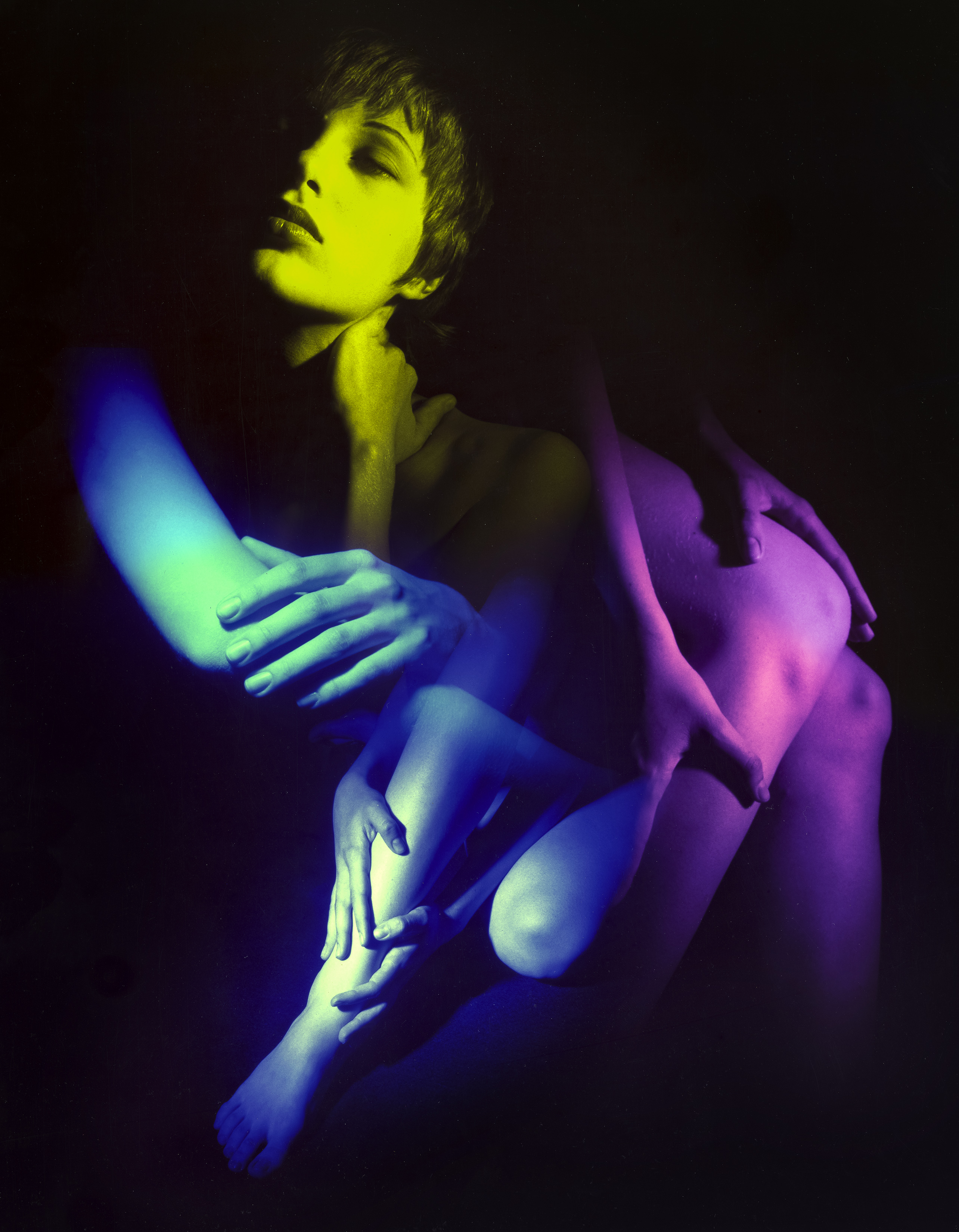
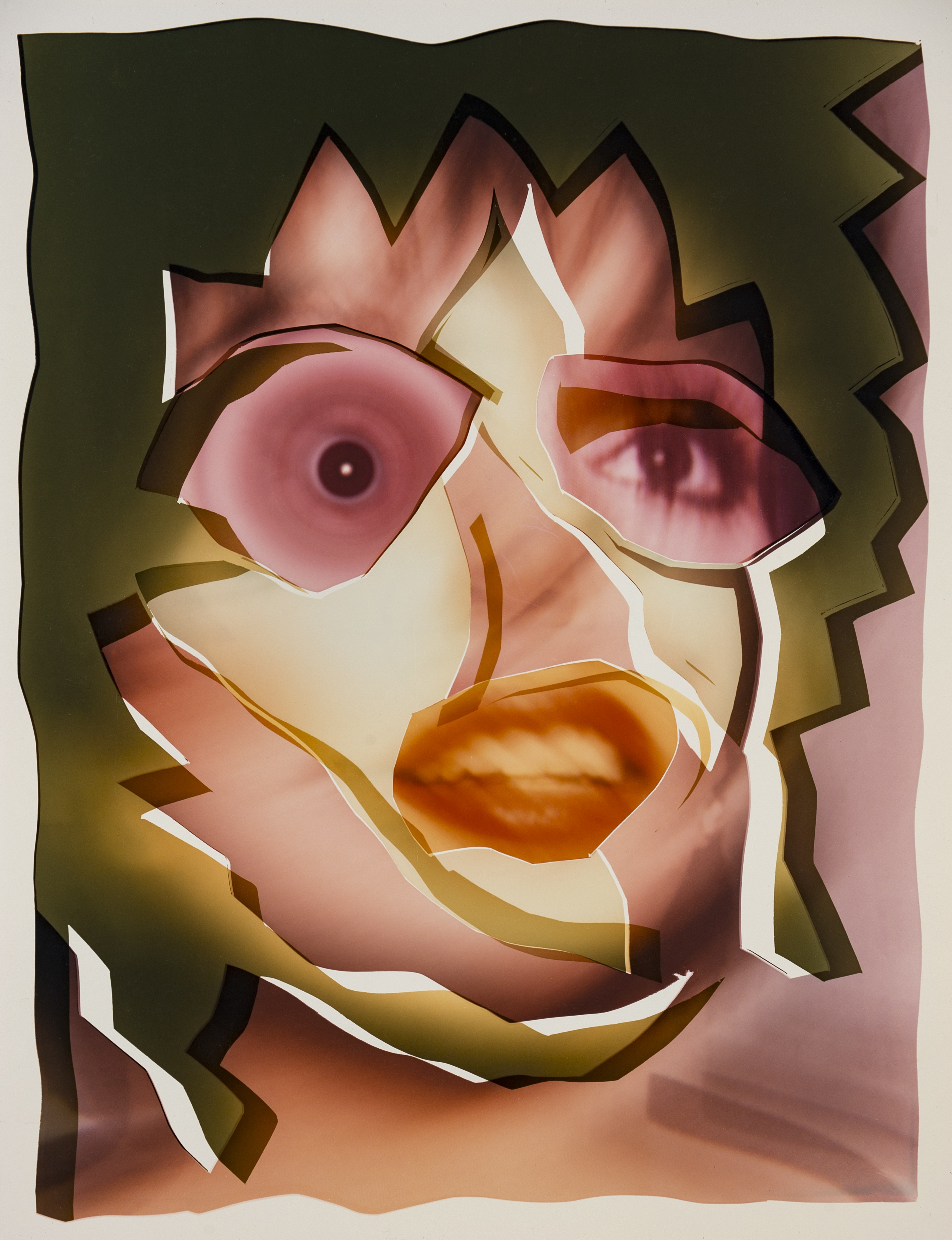
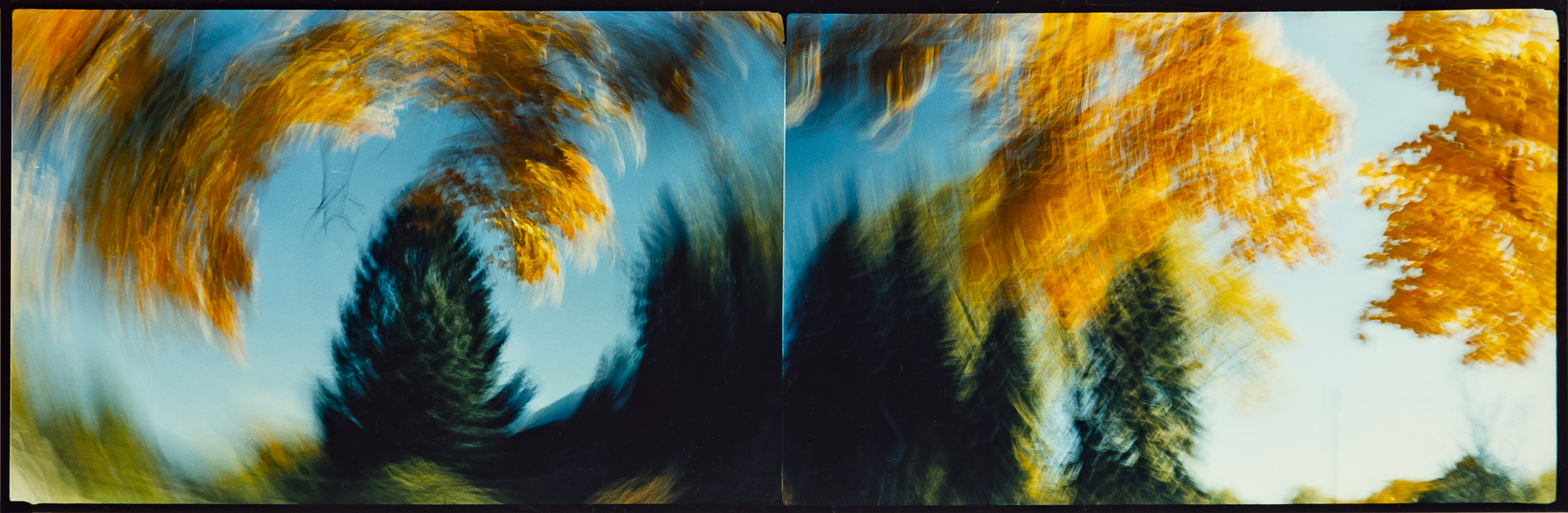
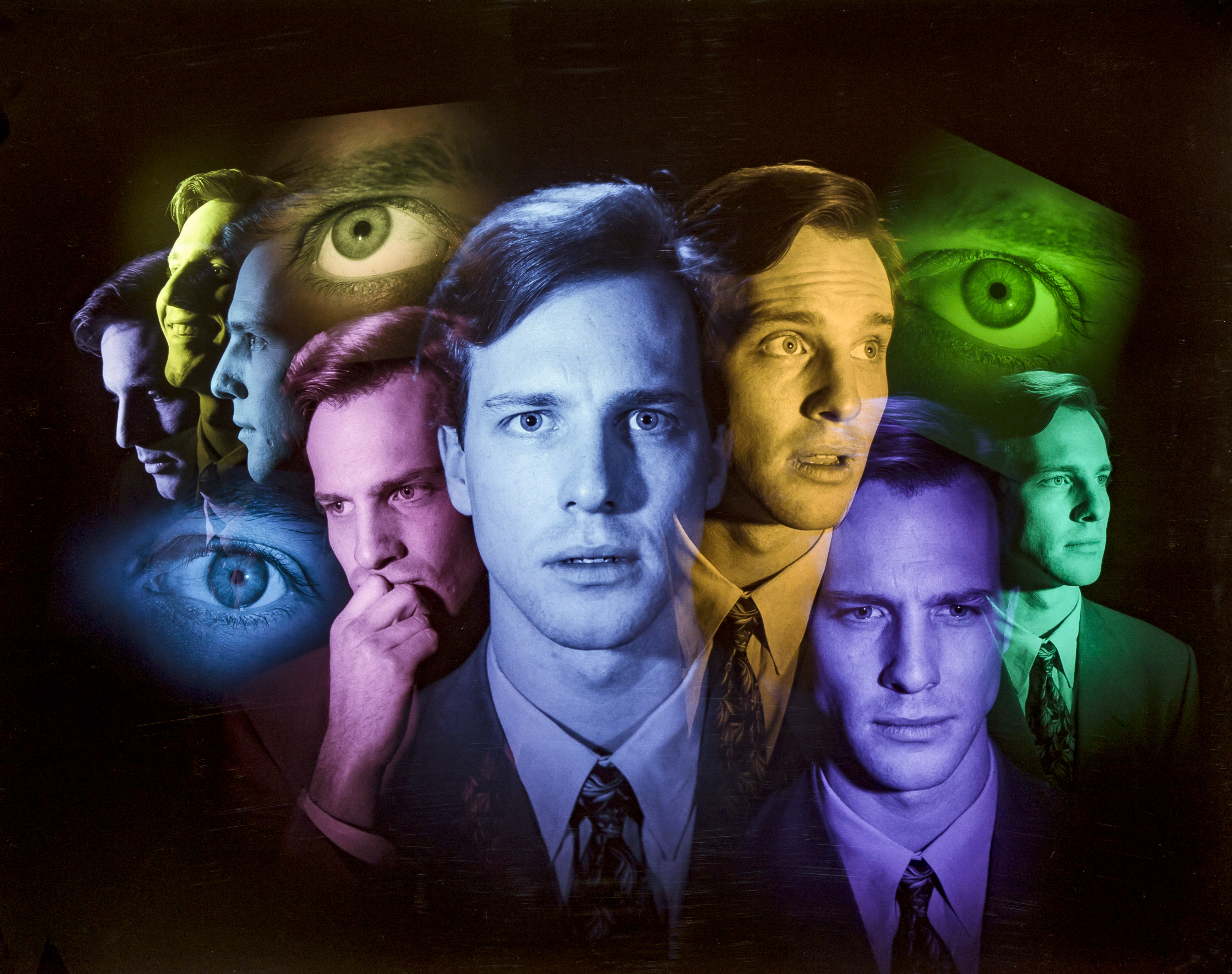
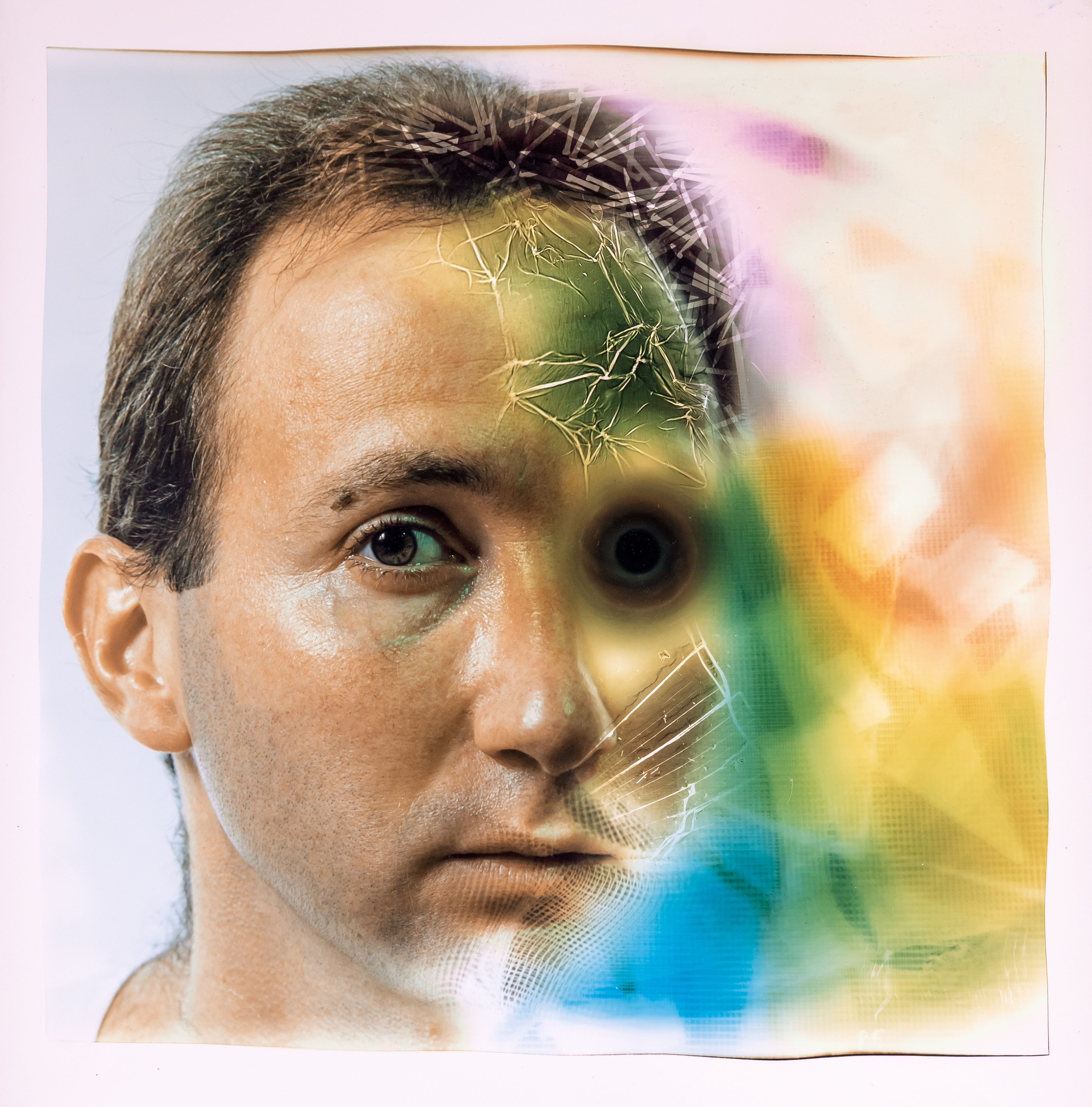
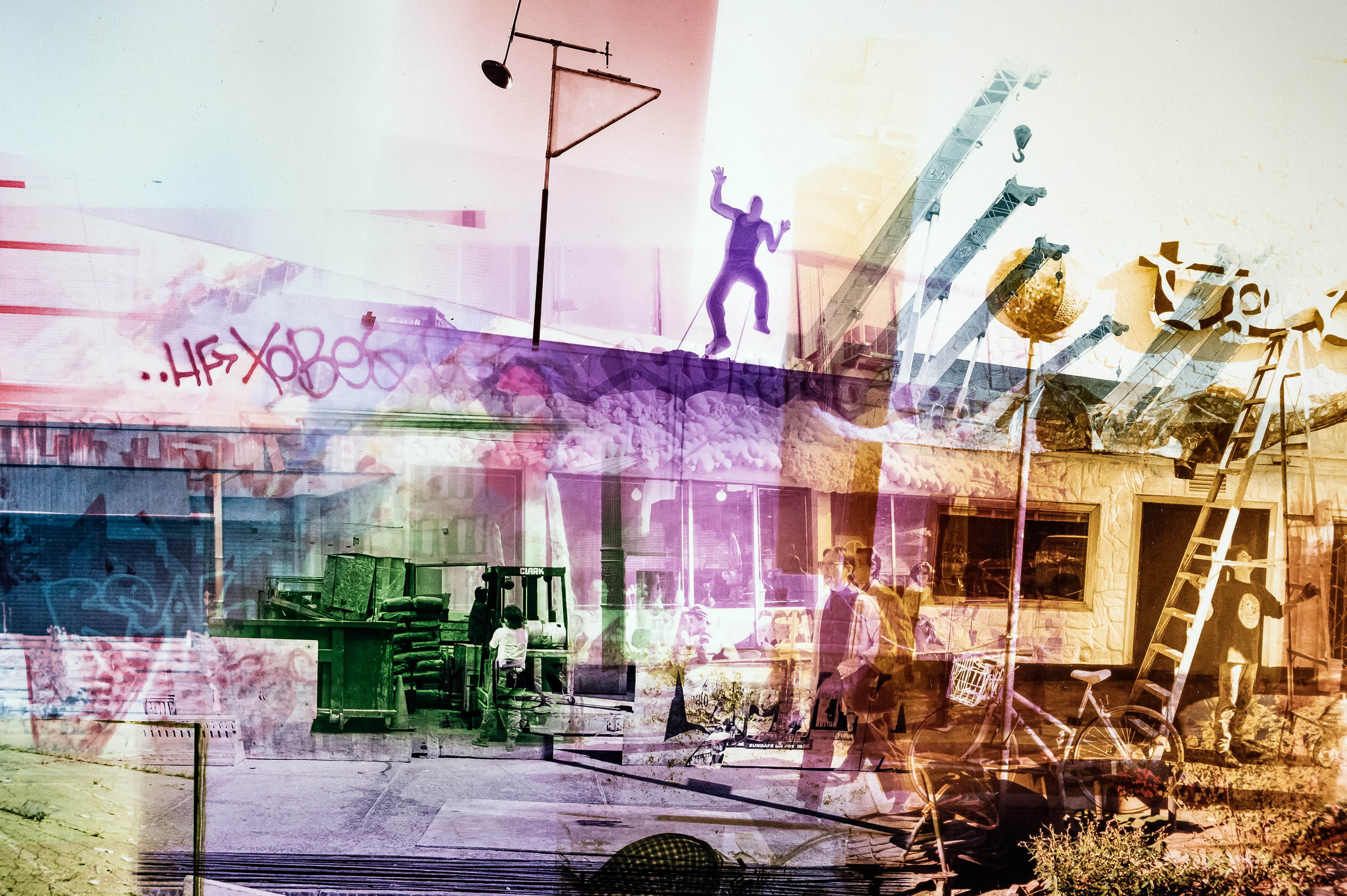
In this grouping there are a few collages, drag shutter and long-exposure motion images, but the bulk are essentially multiple image prints made in the darkroom. Most were created for commercial assignments in the 80’s and 90’s. Some are color negative film printed on C-type paper,

others are black & white reversal film printed on Cibachrome paper.
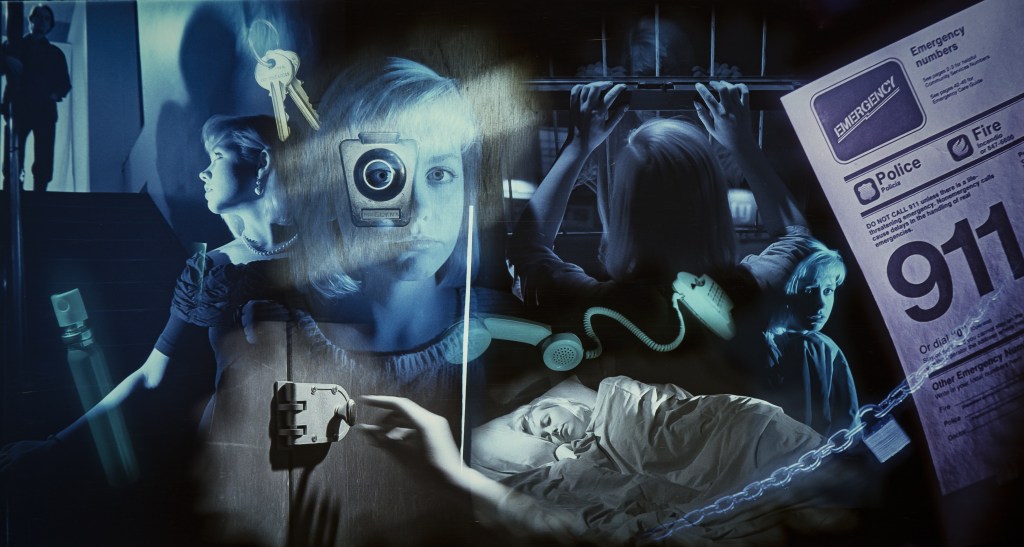
The color shifts were created using the enlarger. Some are straightforward multiple image prints.
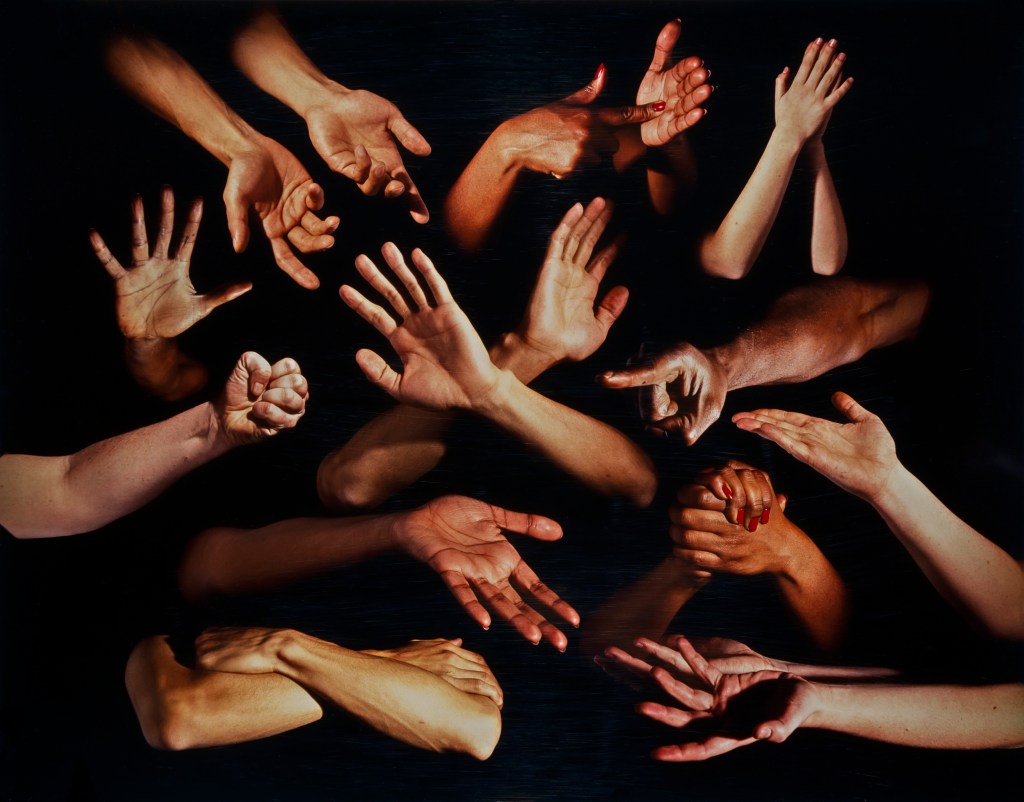
In some cases I made sectioned stencils and exposed each area separately, treating each with its own color and tone, sometimes adding a ‘spin’ to the easel to create motion, sometimes adding a physical stencil like a window screen, broken glass, etc. to create effects.
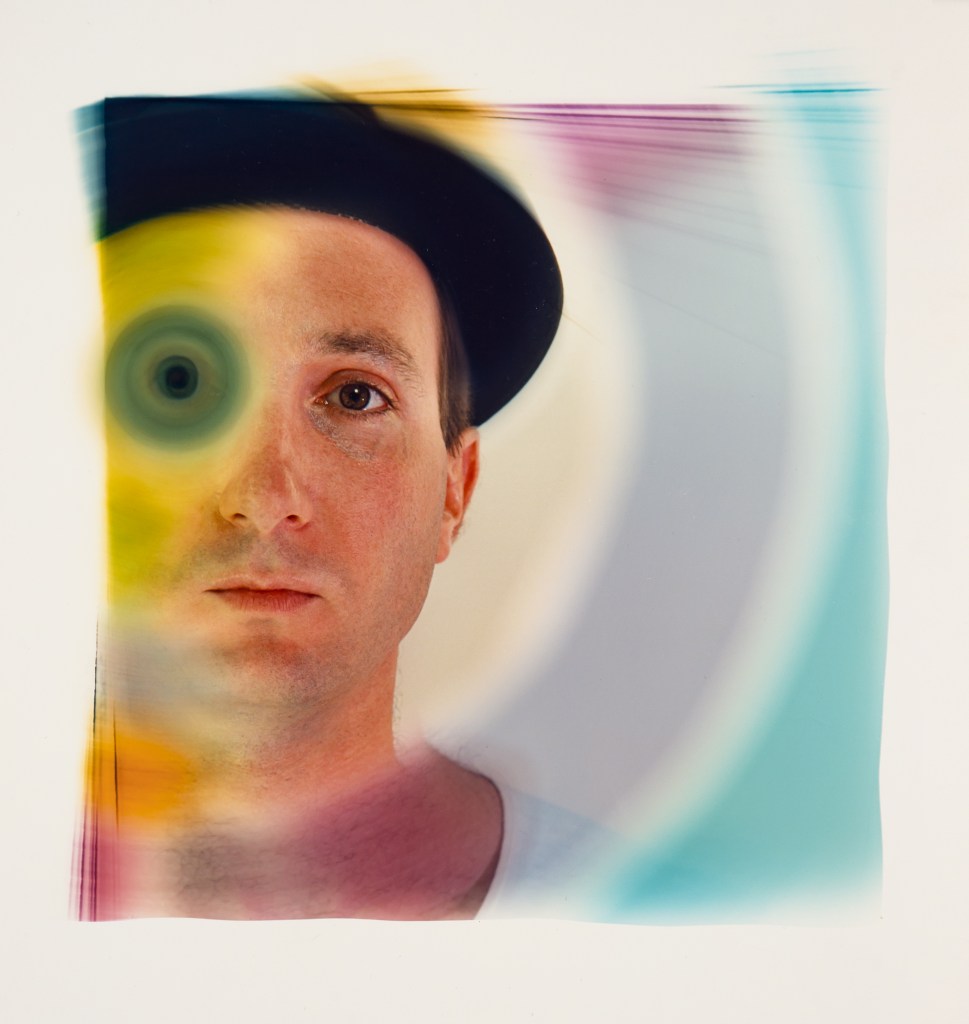
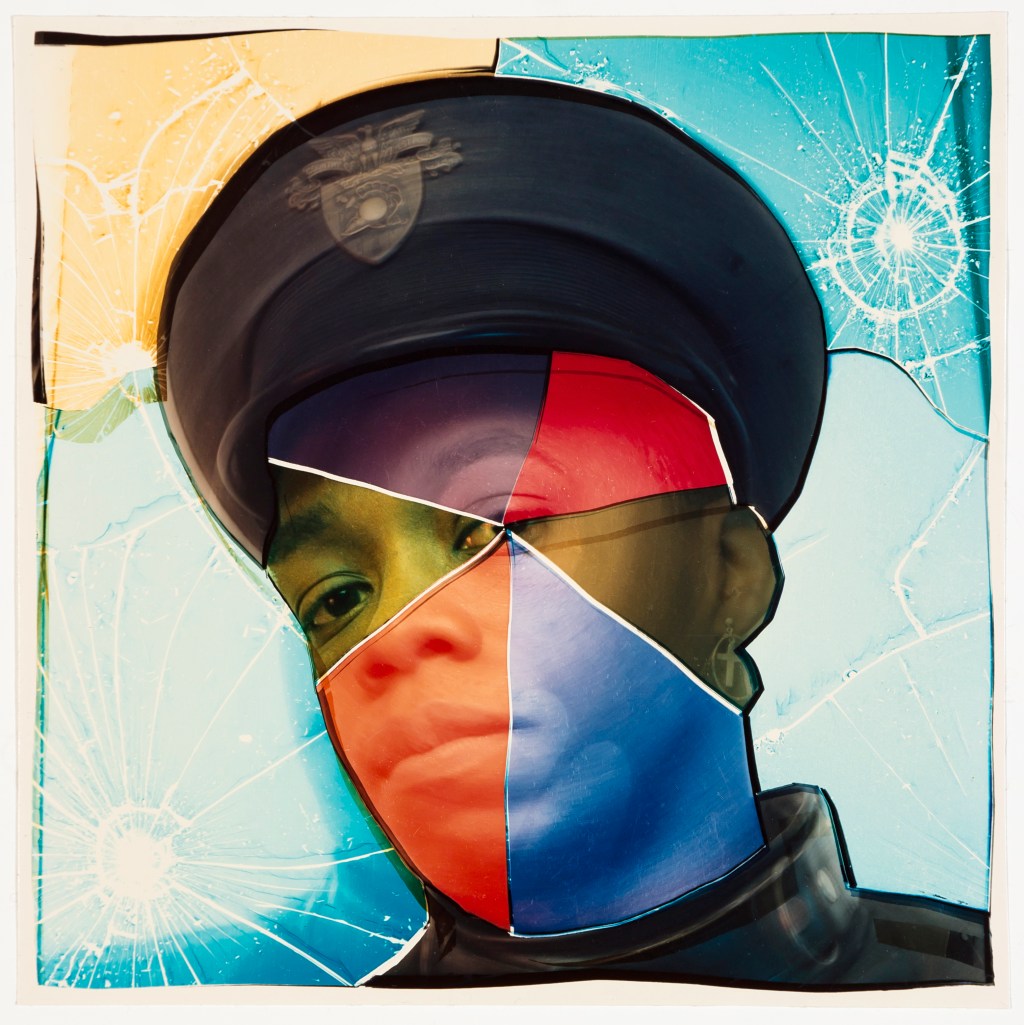
Some of the exposures took several minutes to execute; I would use a cassette tape of pre-recorded instructions to help in the dark. This in addition to some thorough planning and sketching before the actual shoots. Some of the effects were photographed ahead, some created in the darkroom.

A particularly proud moment was photographing the woman floating in milk by cutting holes for her hands and head out of a large piece of white board, and printing that into the final image.

Whew, today that would take 5 minutes in Photoshop. It is safe to say when Photoshop came along, I was ready. I didn’t take to it right away, however. In fact, I worked extensively for WIRED magazine late into the 90’s, even had a spot on the masthead as a contributing artist, and I never did any digital work for them.
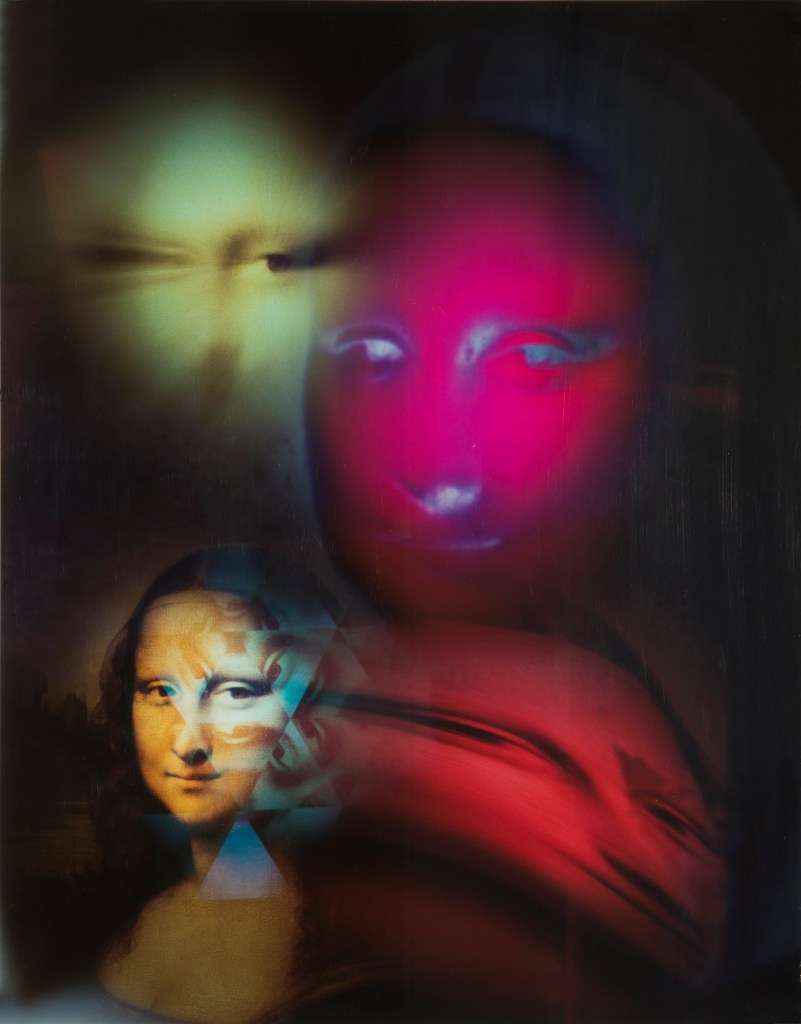
In fact, when I did Absolut McGlynn (along with a group of WIRED artists), I did my usual analog print collage. That year I entered it into the Graphis Photography Annual.

I won placement… but in the relatively new Graphis Digital Annual. I had to let them know it was analog art, and they said: “Oh damn. Well, um, can we put in the digital edition anyway??” I said yes of course, as that strange secret act appealed to my subversive nature. A few years later I started using Photoshop.





 David McGlynn